Discover The Sawmill
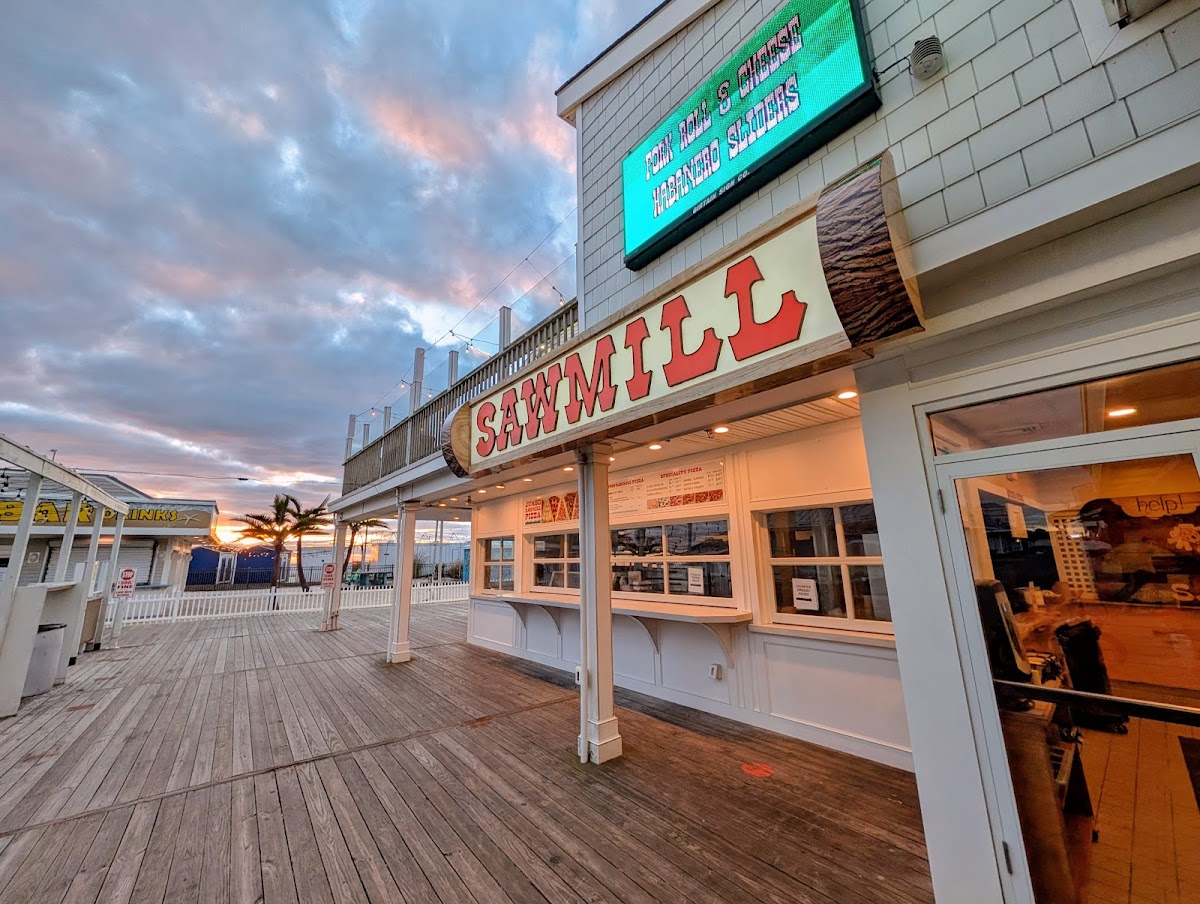
Walking into The Sawmill feels like stepping into a place that understands exactly why diners still matter. Sitting right at 1807 Boardwalk, Seaside Park, NJ 08752, United States, this spot has become a familiar stop for locals and beachgoers who want something reliable, filling, and unpretentious after a long day by the ocean. I first stopped in during a shoulder-season weekend, expecting a quick bite, and ended up staying longer than planned just watching the steady rhythm of servers, cooks, and regulars who clearly knew one another by name.
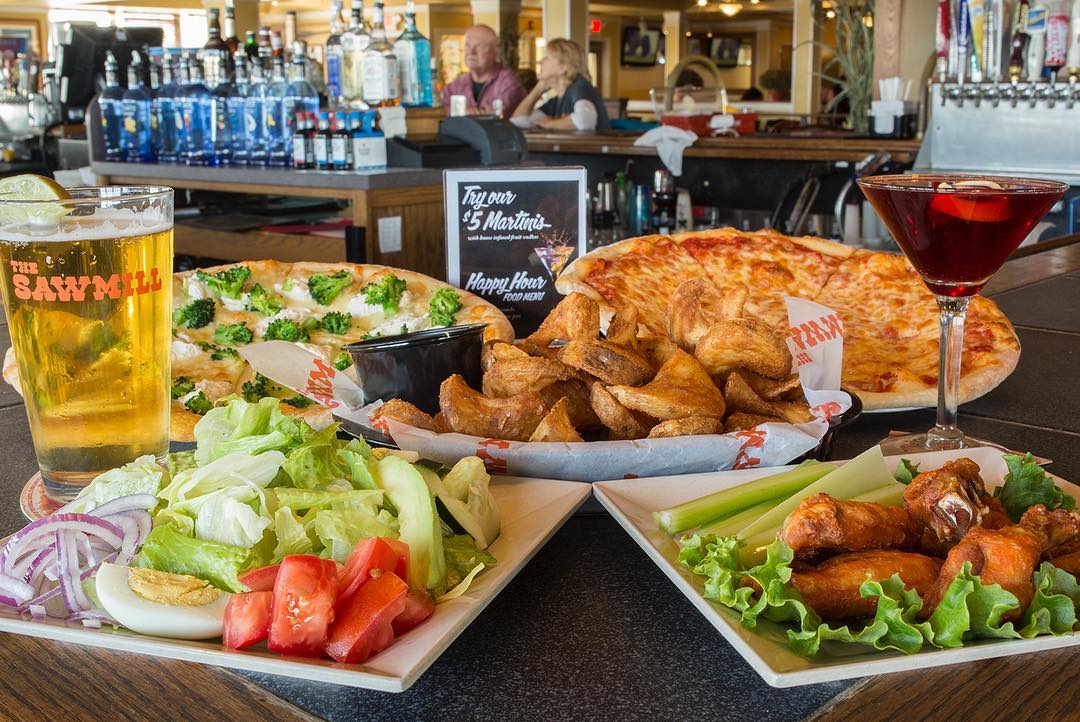
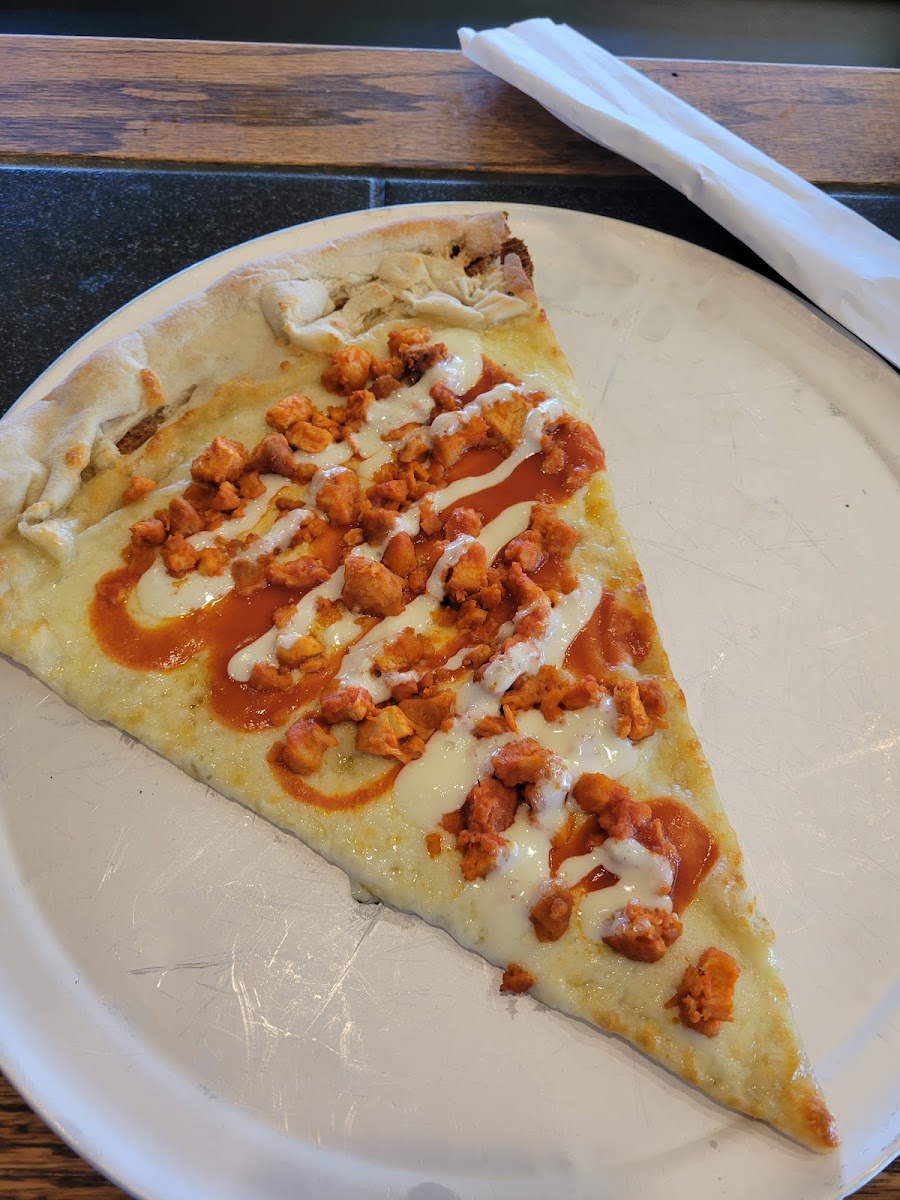
The menu leans into classic American diner territory, and that’s not an accident. According to the National Restaurant Association, comfort food remains one of the top drivers of repeat restaurant visits, especially in coastal towns where tourism mixes with tight-knit local communities. You see that idea play out here with breakfasts served all day, thick-cut French toast, burgers stacked the old-school way, and seafood options that make sense for the Jersey Shore. One morning, I watched a short-order cook handle five different egg styles at once without missing a beat, which says a lot about real-world kitchen experience rather than flashy presentation.
What stands out most is consistency. In restaurant consulting circles, chefs like Danny Meyer often stress that guests don’t come back for creativity alone; they come back because the food tastes the same every time. The Sawmill seems to operate by that principle. A simple grilled cheese arrives golden and crisp, the fries are always hot, and the coffee never tastes burnt. That level of reliability doesn’t happen by accident. It’s usually the result of standardized prep methods, measured portions, and cooks who know their stations inside and out.
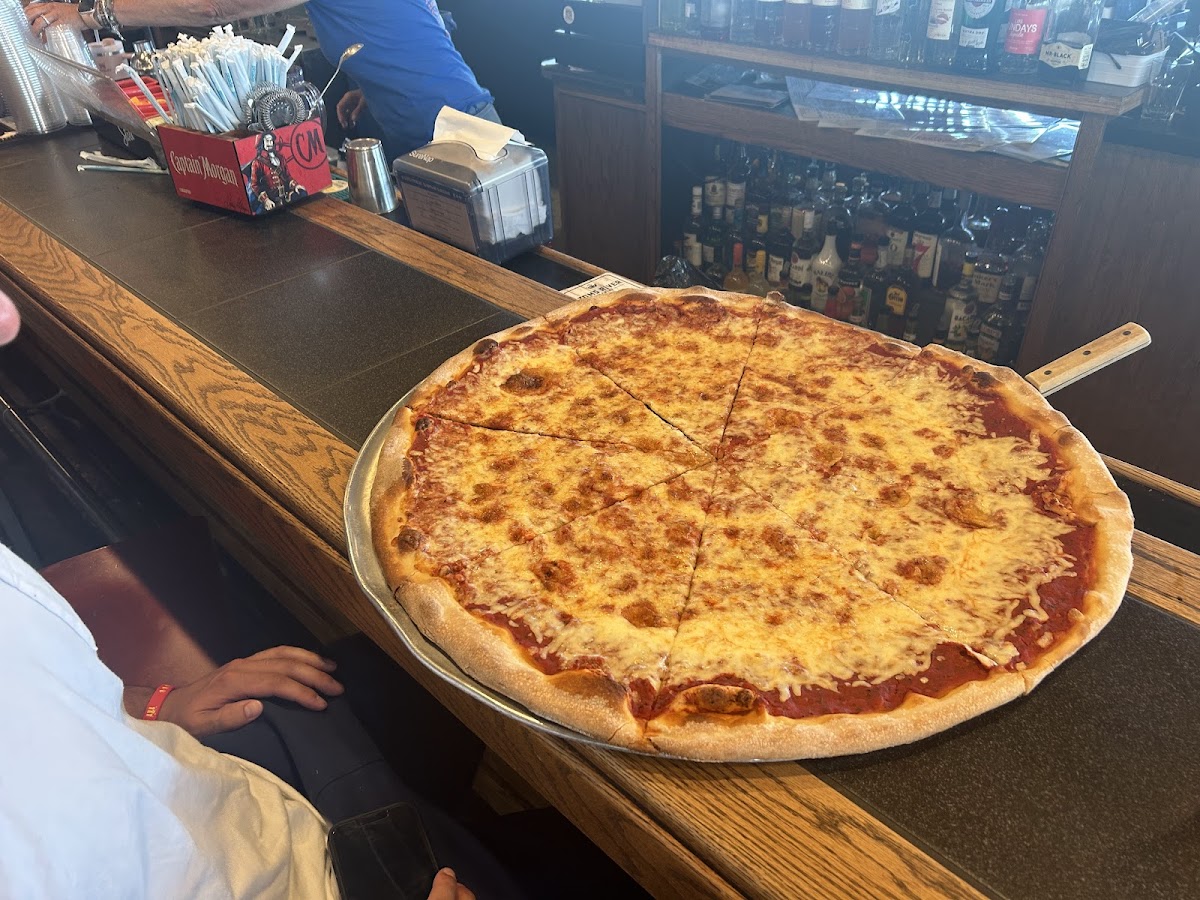
Reviews from repeat customers often highlight the portions, and there’s data to back up why that matters. Cornell University’s School of Hotel Administration has published research showing that perceived value strongly influences diner satisfaction, even more than décor in casual dining environments. Plates here come out loaded, whether it’s pancakes overlapping the rim or a breakfast platter that could easily feed two. Still, one limitation worth noting is that during peak summer weekends, wait times can stretch longer than expected, especially when large families roll in after the beach.
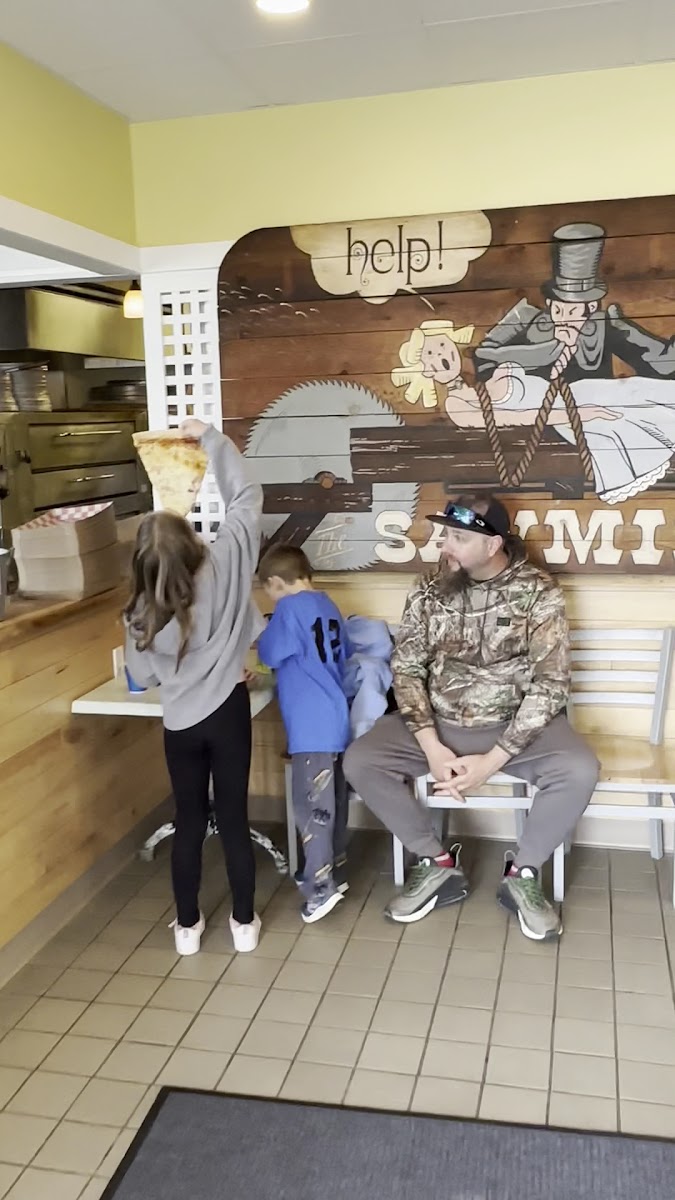
Location plays a huge role in the experience. Being right on the boardwalk means sandy shoes and salty air are part of the atmosphere. Instead of fighting that, the restaurant embraces it. Staff members move fast, tables turn over efficiently, and nobody seems annoyed by kids still clutching arcade prizes. That relaxed attitude shows up again and again in customer reviews, where friendliness is mentioned almost as often as the food itself.
From a professional standpoint, this kind of diner succeeds because it knows its lane. It’s not trying to reinvent brunch or compete with upscale waterfront restaurants. It focuses on approachable pricing, a broad menu that appeals to different age groups, and service that feels human rather than scripted. That approach aligns with guidance from organizations like the James Beard Foundation, which often emphasizes authenticity and community connection as key factors in long-term restaurant success.
There are gaps, of course. Health-conscious diners might find fewer lighter options compared to modern cafés, and the décor won’t win design awards. Still, those limits are part of the charm for many guests. In an era where restaurants often chase trends, this place delivers something harder to measure but easier to feel: a sense of familiarity that keeps people coming back, meal after meal.